

Foreign investors invested €50 million in the Portugal Golden Visa in the latest reporting period. According to Jornal de Negócios, a Portuguese business newspaper, this represents a 35% increase in capital inflows.
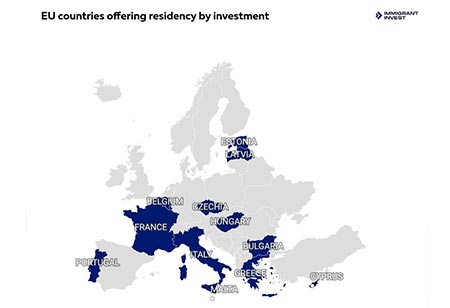
The rise comes as several European countries close or tighten investor residency routes, which reduces options for affluent families seeking access to the European Union.
In response to this changing landscape, Portugal has reshaped its framework and moved away from property-based routes towards more regulated investment structures.
Europe’s investment migration landscape in 2026
Europe’s investment migration market looks very different from a decade ago. In the past, several countries competed aggressively for foreign capital. Today, the tone has changed. Political scrutiny has intensified, and governments face pressure from EU institutions to strengthen oversight.
Compliance standards have risen across Europe in recent years. Applicants now face detailed background checks and must provide clear evidence of the lawful origin of their funds. Financial institutions and regulators also scrutinise fund structures more closely. The overall focus has shifted away from volume and towards transparency and accountability.
At the same time, the number of available investment routes has narrowed. Spain ended its Golden Visa in April 2025, Ireland closed its Immigrant Investor Programme in February 2023, and the UK discontinued the Tier 1 Investor visa in February 2022. As a result, investors now have fewer European jurisdictions to choose from.
In this stricter and more selective environment, Portugal’s ability to attract €50 million in foreign capital stands out. It reflects confidence in a Golden Visa that has adapted to new regulatory realities. Investors are not seeking shortcuts. They are choosing stability, legal clarity and long-term predictability.
Portugal’s Golden Visa evolution and current framework
The Portugal Golden Visa was once centred on real estate, with property purchases as the main qualification route. That option has now been closed, and the framework focuses on regulated investment funds and other economic contributions defined by law.
As a result, investors allocate capital to structured funds managed by licensed professionals rather than purchasing property. These funds operate under Portuguese and EU financial supervision, which adds a clear layer of regulatory oversight.
5 options are now available:
• €500,000 in units of investment funds;
• €250,000 in art and cultural heritage;
• €500,000 in research activities;
• €500,000 in business with the creation of five jobs;
• creation of 10 jobs, with no minimum investment requirement.
One application covers both the investor and their family members, including spouses or partners, children, and parents.
In practical terms, the Portugal Golden Visa functions as a long-term commitment. The investor maintains the qualifying investment for 5 years. After this period, and subject to meeting the legal requirements, investors may apply for permanent residence. Approval depends on compliance with statutory conditions, including language and residency rules.
Why Portugal remains strategically attractive
Minimal physical presence. Portugal does not require investors to relocate permanently to keep their residence status. A stay of just 7 days per year is enough to maintain the permit. This flexibility suits entrepreneurs and business owners with international operations.
Established fund ecosystem. Portugal has developed a regulated fund management sector. Golden Visa funds are supervised by the Portuguese Securities Market Commission, with independent custodians and auditors involved. This structure increases transparency and reduces informal risk.
The rise comes as several European countries close or tighten investor residency routes, which reduces options for affluent families seeking access to the European Union.
In response to this changing landscape, Portugal has reshaped its framework and moved away from property-based routes towards more regulated investment structures.
Europe’s investment migration landscape in 2026
Europe’s investment migration market looks very different from a decade ago. In the past, several countries competed aggressively for foreign capital. Today, the tone has changed. Political scrutiny has intensified, and governments face pressure from EU institutions to strengthen oversight.
Compliance standards have risen across Europe in recent years. Applicants now face detailed background checks and must provide clear evidence of the lawful origin of their funds. Financial institutions and regulators also scrutinise fund structures more closely. The overall focus has shifted away from volume and towards transparency and accountability.
At the same time, the number of available investment routes has narrowed. Spain ended its Golden Visa in April 2025, Ireland closed its Immigrant Investor Programme in February 2023, and the UK discontinued the Tier 1 Investor visa in February 2022. As a result, investors now have fewer European jurisdictions to choose from.
In this stricter and more selective environment, Portugal’s ability to attract €50 million in foreign capital stands out. It reflects confidence in a Golden Visa that has adapted to new regulatory realities. Investors are not seeking shortcuts. They are choosing stability, legal clarity and long-term predictability.
Portugal’s Golden Visa evolution and current framework
The Portugal Golden Visa was once centred on real estate, with property purchases as the main qualification route. That option has now been closed, and the framework focuses on regulated investment funds and other economic contributions defined by law.
As a result, investors allocate capital to structured funds managed by licensed professionals rather than purchasing property. These funds operate under Portuguese and EU financial supervision, which adds a clear layer of regulatory oversight.
5 options are now available:
• €500,000 in units of investment funds;
• €250,000 in art and cultural heritage;
• €500,000 in research activities;
• €500,000 in business with the creation of five jobs;
• creation of 10 jobs, with no minimum investment requirement.
One application covers both the investor and their family members, including spouses or partners, children, and parents.
In practical terms, the Portugal Golden Visa functions as a long-term commitment. The investor maintains the qualifying investment for 5 years. After this period, and subject to meeting the legal requirements, investors may apply for permanent residence. Approval depends on compliance with statutory conditions, including language and residency rules.
Why Portugal remains strategically attractive
Minimal physical presence. Portugal does not require investors to relocate permanently to keep their residence status. A stay of just 7 days per year is enough to maintain the permit. This flexibility suits entrepreneurs and business owners with international operations.
Established fund ecosystem. Portugal has developed a regulated fund management sector. Golden Visa funds are supervised by the Portuguese Securities Market Commission, with independent custodians and auditors involved. This structure increases transparency and reduces informal risk.
Political and legal stability. Portugal is an EU and Schengen member with a legal system aligned to European standards. Government changes do not abruptly alter the residency framework. For investors managing substantial capital, predictability often matters more than speed.
Quality of life. Portugal offers strong safety, healthcare, and education standards. English is widely used in business and academia, which helps families transition gradually if they choose to relocate.
Investor profile in 2026
10 years ago, many investors sought quick returns or property gains. In 2026, motivations look different. Wealth preservation and geopolitical risk management dominate discussions.
Today’s investors prioritise:
Geopolitical risk mitigation. A second residence acts as insurance. If political or economic instability increases in the home country, mobility is secured.
Capital preservation. Investors are more cautious about speculative gains. Regulated European funds appeal because they operate under financial supervision. Transparency and compliance now matter more than rapid profits, with stability as the primary goal.
Intergenerational planning. Permanent residence after 5 years and eventual citizenship can extend to children. It becomes part of family succession planning.
Access to EU financial infrastructure. European banking, asset management and capital markets provide diversification.
Healthcare, education and lifestyle. International schools, healthcare, and safety influence decisions. Families may not relocate at once, but they want the option.
‘Many high-net-worth individuals now treat residence as an asset class. Like equities or bonds, it spreads risk and diversifies family exposure,’ says Célia Castilho, Head of the Portuguese office at Immigrant Invest. ‘The €50 million surge reflects long-term strategy. Investors view Portugal as a stable European base, not a short-term shelter.’
Conclusion: Portugal as a mature and resilient programme
Portugal’s Golden Visa is no longer a fast-growing frontier product. It has become an institutionalised and regulated pathway within the European legal framework. The recent €50 million capital inflow demonstrates continued confidence from international investors.
In a European market marked by closures and stricter rules, Portugal stands out for stability, clarity, and structure. The Golden Visa offers minimal stay requirements, a defined route to EU permanent residence and citizenship, and access to a mature fund ecosystem. For sophisticated investors, this combination provides legal certainty and strategic flexibility.
Portugal is not simply one of the last options in Europe. It is an option that has adapted, strengthened compliance and positioned itself for long-term sustainability.
Quality of life. Portugal offers strong safety, healthcare, and education standards. English is widely used in business and academia, which helps families transition gradually if they choose to relocate.
Investor profile in 2026
10 years ago, many investors sought quick returns or property gains. In 2026, motivations look different. Wealth preservation and geopolitical risk management dominate discussions.
Today’s investors prioritise:
Geopolitical risk mitigation. A second residence acts as insurance. If political or economic instability increases in the home country, mobility is secured.
Capital preservation. Investors are more cautious about speculative gains. Regulated European funds appeal because they operate under financial supervision. Transparency and compliance now matter more than rapid profits, with stability as the primary goal.
Intergenerational planning. Permanent residence after 5 years and eventual citizenship can extend to children. It becomes part of family succession planning.
Access to EU financial infrastructure. European banking, asset management and capital markets provide diversification.
Healthcare, education and lifestyle. International schools, healthcare, and safety influence decisions. Families may not relocate at once, but they want the option.
‘Many high-net-worth individuals now treat residence as an asset class. Like equities or bonds, it spreads risk and diversifies family exposure,’ says Célia Castilho, Head of the Portuguese office at Immigrant Invest. ‘The €50 million surge reflects long-term strategy. Investors view Portugal as a stable European base, not a short-term shelter.’
Conclusion: Portugal as a mature and resilient programme
Portugal’s Golden Visa is no longer a fast-growing frontier product. It has become an institutionalised and regulated pathway within the European legal framework. The recent €50 million capital inflow demonstrates continued confidence from international investors.
In a European market marked by closures and stricter rules, Portugal stands out for stability, clarity, and structure. The Golden Visa offers minimal stay requirements, a defined route to EU permanent residence and citizenship, and access to a mature fund ecosystem. For sophisticated investors, this combination provides legal certainty and strategic flexibility.
Portugal is not simply one of the last options in Europe. It is an option that has adapted, strengthened compliance and positioned itself for long-term sustainability.